Showing posts with label underground. Show all posts

12/22/16

Ancient Underground City Of Kariz-e-Kish, Iran


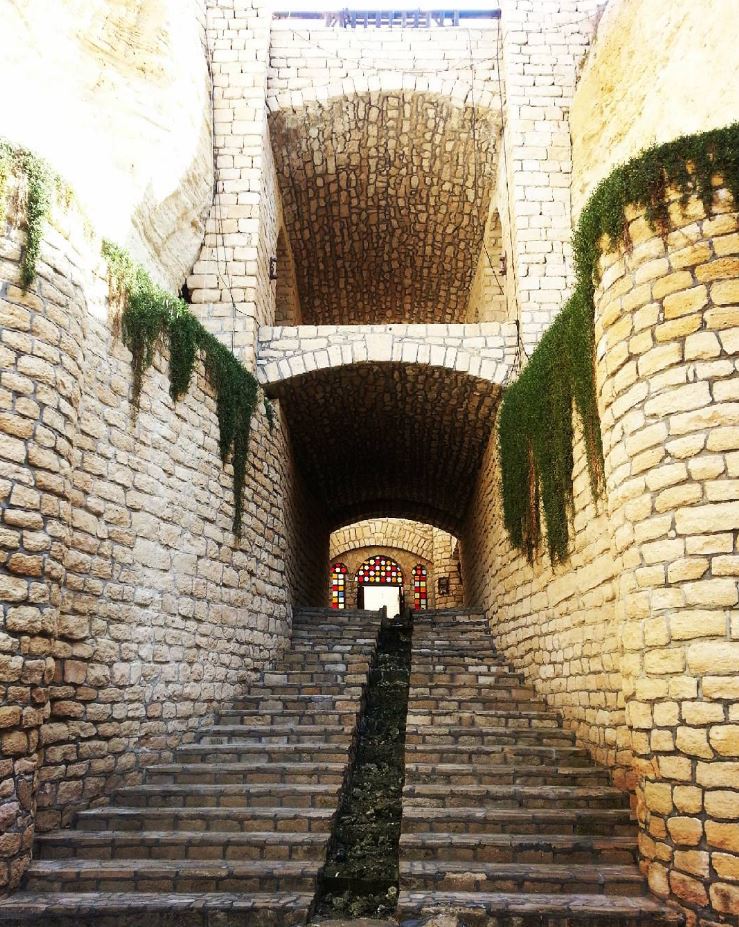
The Qanat (Kariz) of Kish or Aqueduct of Kish dates back to 2500 years ago and is one of historical places in Kish island , Iran .The Qanat is located 16 m under the ground and its ceiling is covered by oysters and corals  . It’s vastness is over 10000 square meters. Nowadays the qanat is changed to an underground city.




author of photo: alirezaseydabady


author of photo: alirezaseydabady


Before the Roman aqueduct, the people of pre-Islamic Iran had developed their own hydraulic system called a qanat. A qanat is a series of vertical wells, built along a gentle slope to filter water toward arid areas. The Kish Qanat is an excellent example of this ancient technology and provides visitors with an opportunity to get face to face with the infrastructure of this amazing hydraulic system.


The Kish Qanat is over 2,500 years old and filters water from the mountains to the dry valleys below through layers of the coral that comprise the island’s foundation. Kish is one of the only islands in the world that is made up of coral, and tunneling into the earth there allows for a unique look at the usually underwater specimen.


Sixteen meters below the coral island, a series of tunnels near the wells snake through the earth for more than five miles. As the tunnels cut below the world, the Kish Qanat begins to look more like a massive underground city. Lately, architects hoping to draw tourists to the attraction have embraced that idea even more.


Along with the historic coral walls around the qanat, workers have reinforced the tunnels with mortar and stone to create a subterranean world. Soon, visitors can peruse an update on the early hydraulic system that will feature vendors selling typical Iranian gifts along with a few subterranean restaurants and an amphitheater. Strangely enough, the unique historic element of the island is slowly mimicking its inner tourism side.


author of photo: alirezaseydabady


Sources:
http://www.persiantourismguide.com/
http://www.atlasobscura.com/


11/30/16

Bourbon tunnels,Naples,Italy


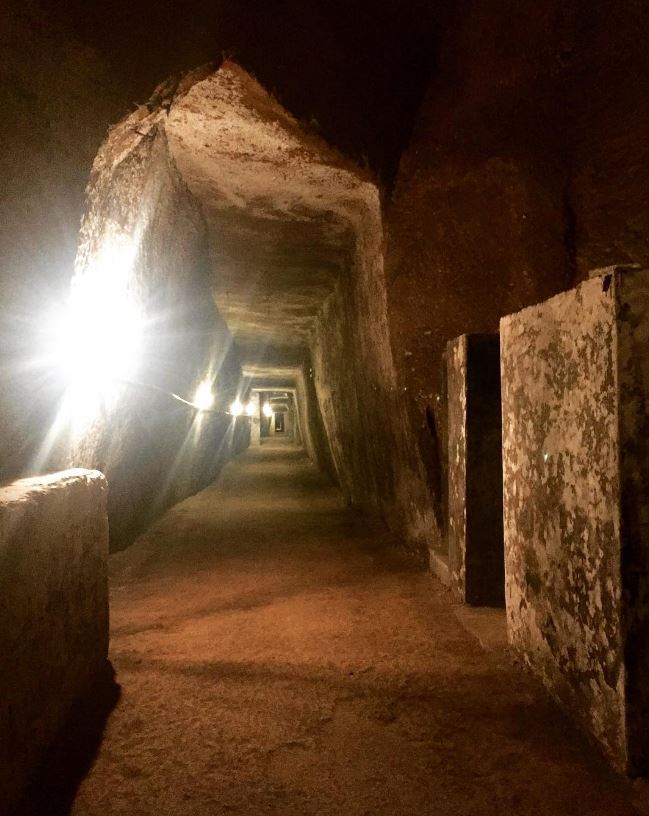
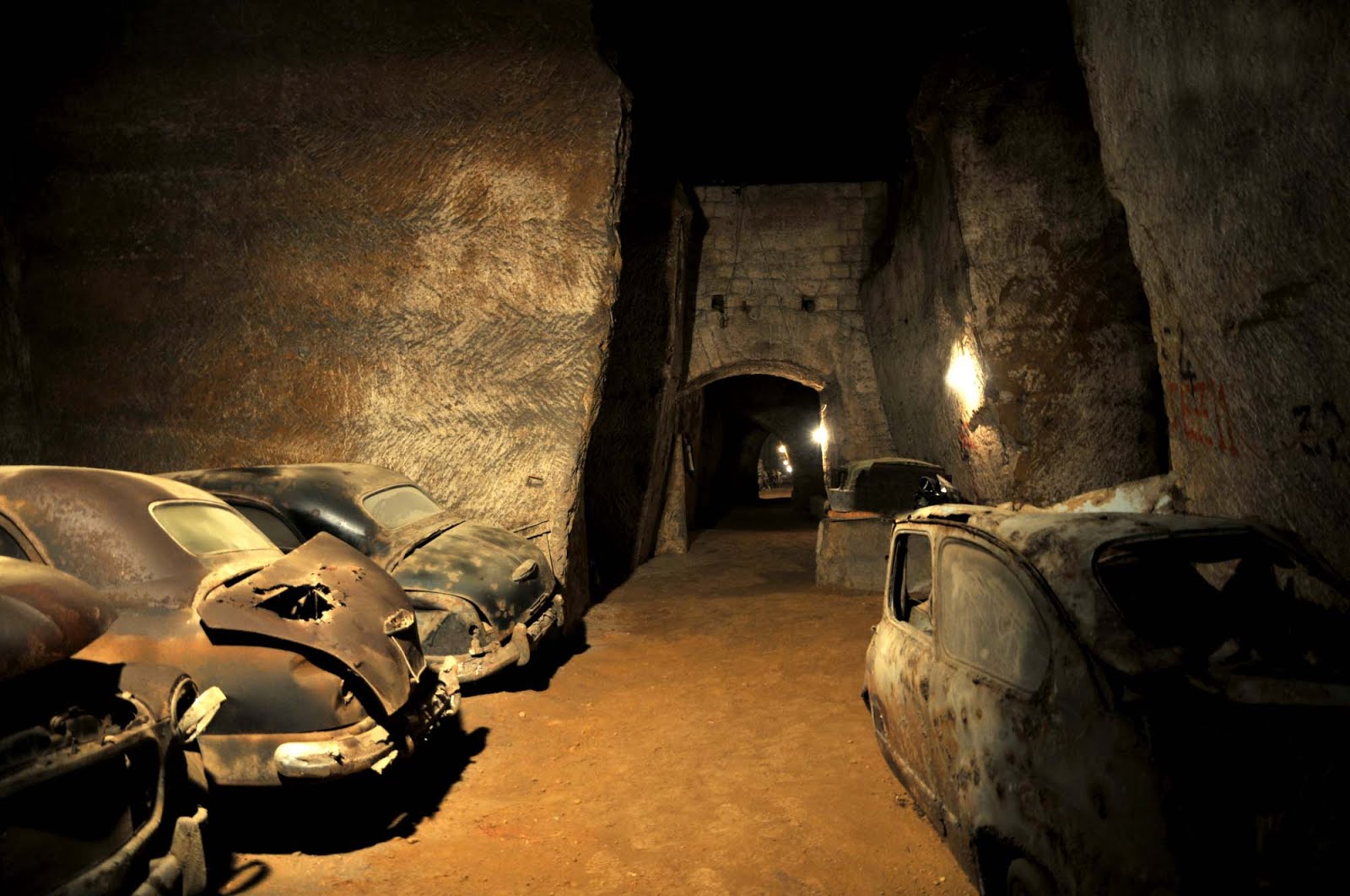
An impressive underground network of tunnels and caves, curiously filled with vintage cars and forgotten World War II relics, lay forgotten under the ancient city of Naples.


One hundred and fifty meters from the large public square of Piazza del Plebiscito, in the center of Naples, Italy, an entry that descends to about thirty meters under the ground to "Bourbon Tunnel" , consisting of about 530 meters from giant passages, huge caves and narrow sewers. Built in the mid-nineteenth century, the tunnel was largely forgotten after the end of World War II, until its rediscovery in the 2000th.


It was the accidental rediscovery in 2005 – when government geologists were checking the conditions of some quarries beneath the Monte di Dio neighbourhood – of an impressive underground network of ancient passageways, curiously filled with vintage cars and forgotten World War II relics, 150m below the Piazza del Plebiscito.


Later, beginning in the 1930s, the tunnels were used as a warehouse for impounded and contraband vehicles since there was little available space in the tightly packed city. The passageways and cavernous chambers finally served as an air raid shelter during World War II, before being sealed off in the early 1950s to be forgotten.


In 2012, Tonino Persico, a 90-year-old survivor who remembered hiding down here during the war, contacted Neapolitan geologist Gianluca Minin, who was leading the excavation of the rest of the tunnels, to alert him to the existence of a bomb shelter below the Palazzo Serra di Cassano, a palace behind the Piazza del Plebiscito.


It took three years for Minin and his team to clean the area ­of debris, but in December 2015, the Galleria Borbonica museum launched the deeply affecting Via delle Memorie tour that commemorates the lives of those who sought refuge here.


The tunnel was designed as an escape from the royal palace, because at that time the King of the Two Sicilies, Ferdinand II of Bourbon, was extremely paranoid about being overthrown by the people of Sicily and Naples during the tumultuous Napoleonic period. Since 1816, there were three revolutions, and a very violent in 1848, when the revolutionaries took the kingdom for 16 months. After returning to power in 1849, Fernando II hastily drafted a new constitution and began making plans for a safe escape if the people returned to revolt.


The king had built an escape tunnel that was dug into the volcanic rock beneath the streets of Naples, using parts of the system of an existing aqueduct called Carmignano that the city had since the early 1600. The tunnel was supposed to connect the Royal Palace with military headquarters in what is now Via Morelli. But before it could becompleted, Ferdinand II died in 1859, and the tunnel was abandoned. Shortly thereafter, Sicily was invaded and joined the new Kingdom of Italy. 


The tunnels remained unused until the early of 1930, when they became a warehouse for seized and smuggling vehicles. During World War II, the underground space became a military hospital and air raid shelter. After the war, the tunnels became a rubbish dump in wartime, which also construction debris, old appliances televisions, refrigerators, cars, destroyed motorcycles and marble pro-fascist statues accumulated. 


Today day, these tunnels with their accumulated waste, have become a gallery called Galleria Borbonica, in which the audience can see interesting exhibits of old cars and old motorcycles, plus tanks and hundreds of ancient artifacts of war.


'


MAKING MONEY ONLINE WAS NEVER SO EASY !!!